Concept / R&D / Drones / Operations
Drones Platform.
One platform.
Connected drone operations.
A unified platform concept for managing drone fleets, planning missions, monitoring operational data and coordinating field teams.
- Project
- Drones Platform
- Sector
- Drone operations
- Status
- Concept / R&D Direction
- Focus
- Fleet & mission management
Exploring a digital operating system for drone-based missions.
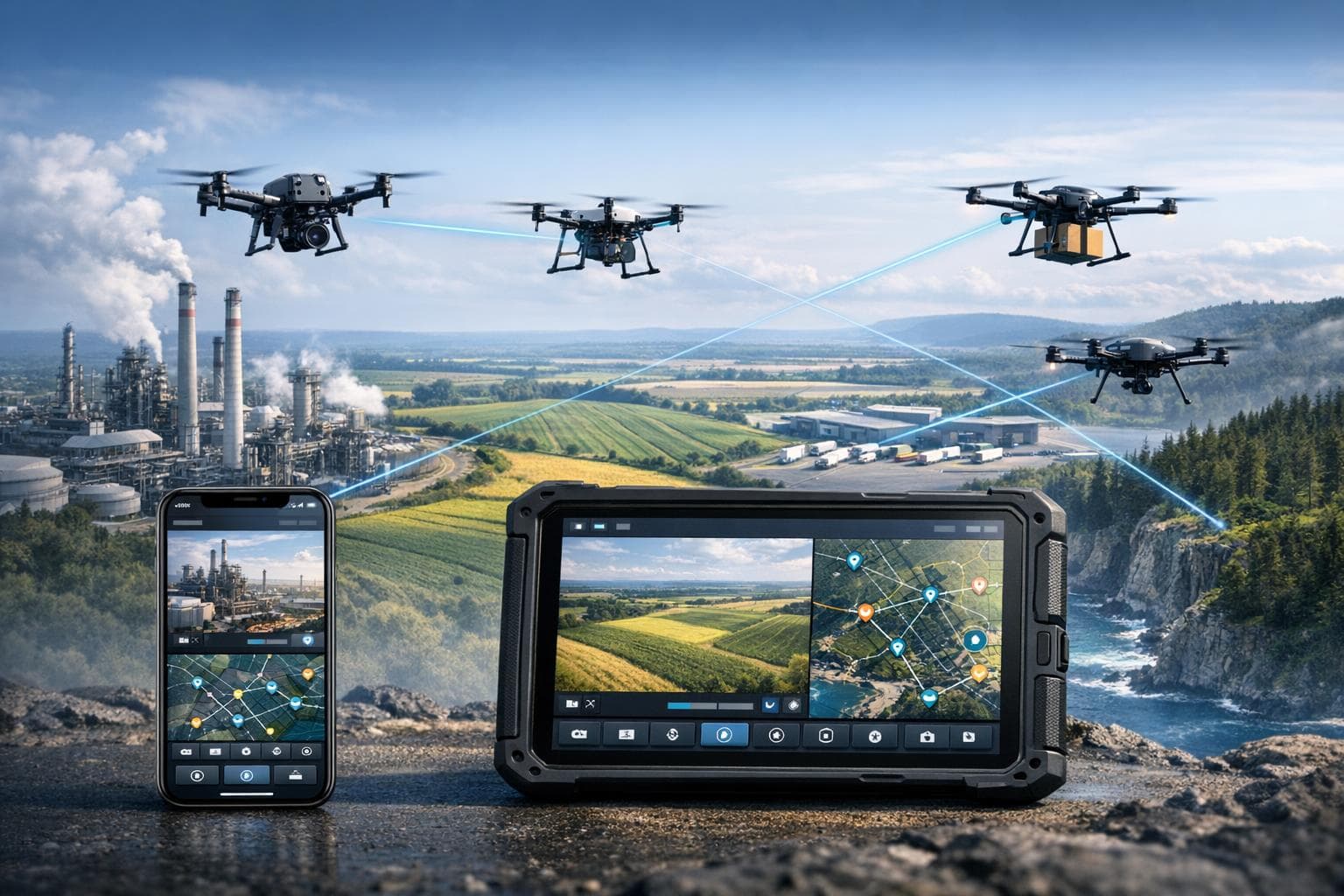
Drones Platform was developed as a Concept / R&D Direction exploring how organisations could manage multiple drones, missions and operational workflows through one digital platform.
The concept focused on creating a unified interface for monitoring drone status, coordinating missions, reviewing live operational data and supporting teams responsible for field activities.
The platform could serve as a foundation for different drone-related scenarios, including inspection, logistics, security, environmental monitoring and emergency response.
The concept explored how a centralised platform could make complex drone operations easier to monitor, coordinate and scale.
Core platform direction
Drone operations often involve multiple aircraft, operators, locations, missions and data sources. The concept addressed the need for a structured operational layer connecting these elements.
Fleet overview
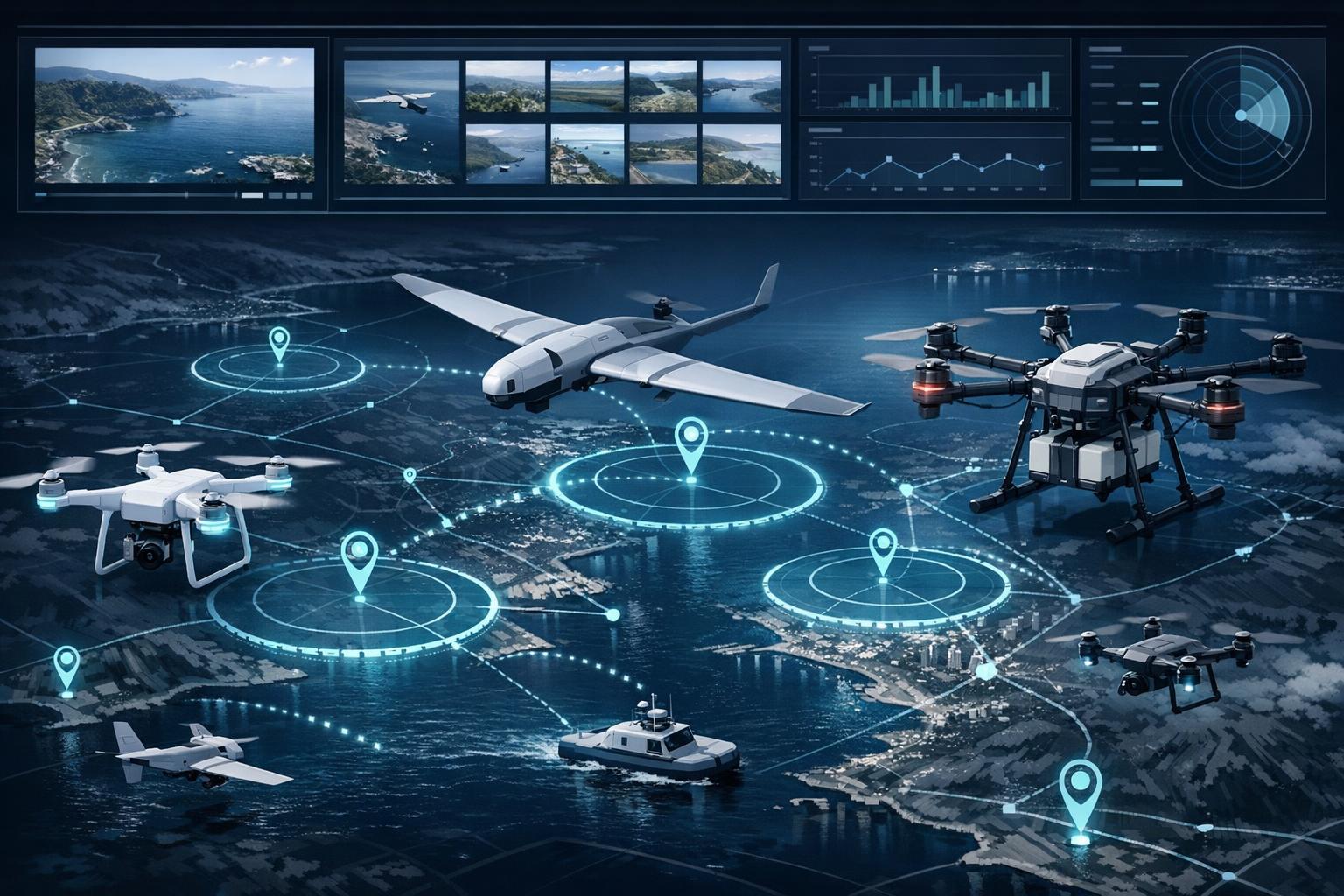
A central view of available drones, their operational status, locations and current assignments.
Mission planning
Tools for defining missions, assigning resources and organising planned drone activities.
Live monitoring
A potential monitoring layer for flight progress, telemetry, alerts and operational events.
Team coordination
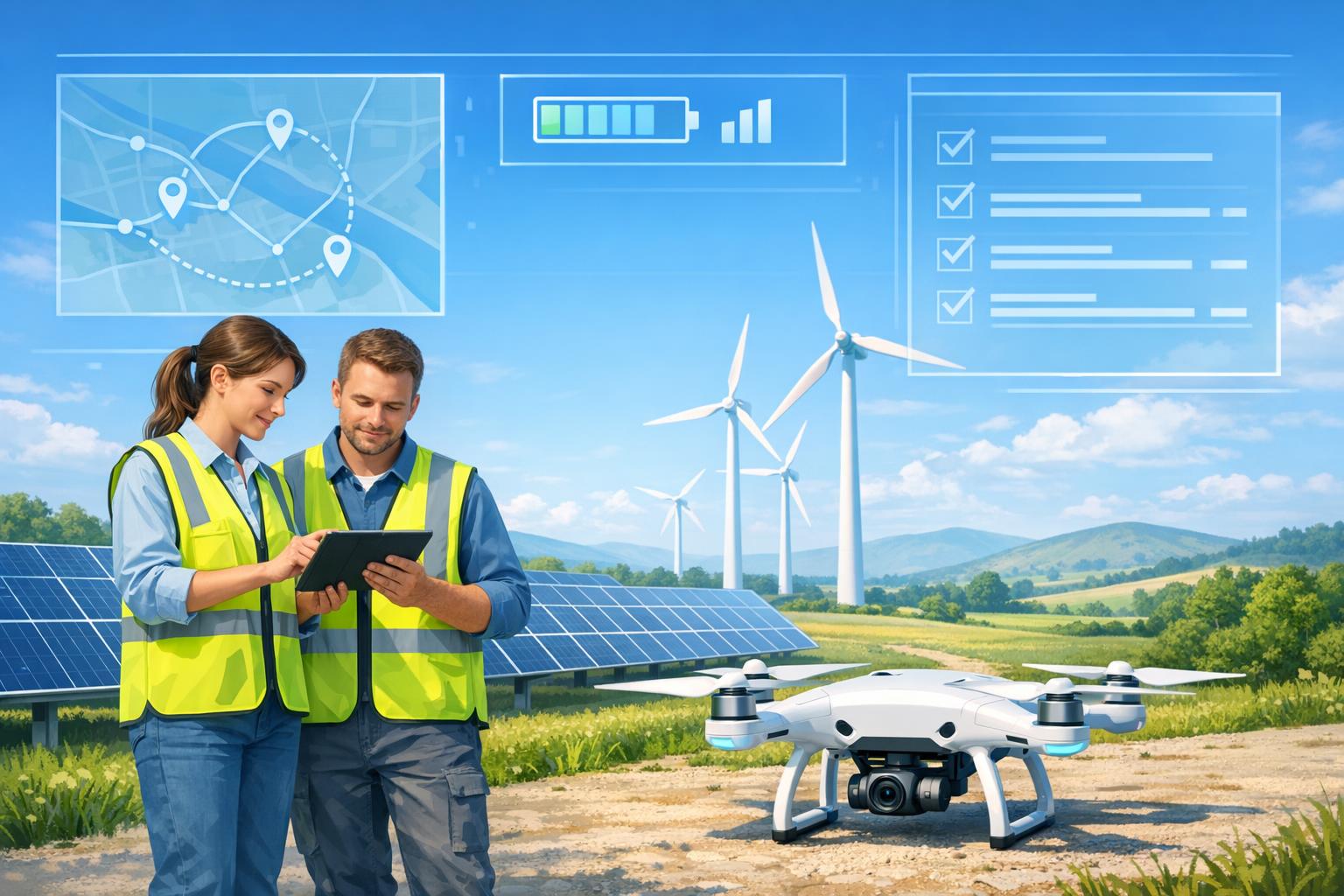
A shared workspace for operators, managers and field teams involved in drone-based operations.
Potential platform capabilities
Manage multiple drones from one operational interface.
Track aircraft availability and current status.
Create, assign and monitor missions.
Display locations and operational zones.
Support live video or visual data workflows.
Collect telemetry and mission-related information.
Generate alerts for selected operational events.
Maintain mission history and activity records.
Connect platform data with external systems through APIs.
Mission lifecycle
01. Prepare
Define the objective, operating area, available equipment and mission requirements.
02. Assign
Select an appropriate drone, operator or field team for the planned activity.
03. Monitor
Follow mission progress, available status data and relevant events through the platform.
04. Review
Store mission results, operational records and collected data for further analysis.
Potential application areas
The platform direction was intentionally designed to be adaptable to different industries and operational environments.
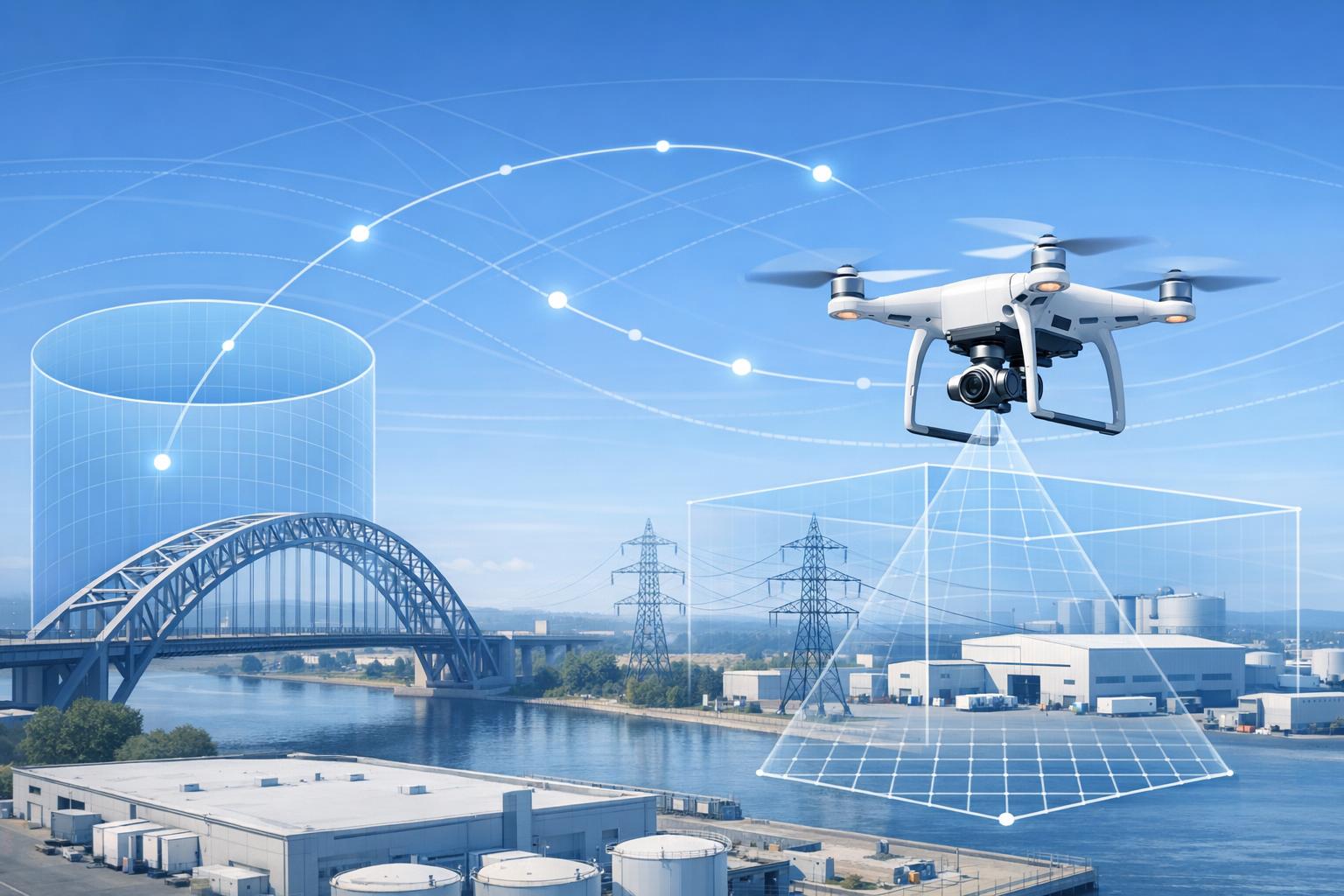
Inspection: infrastructure, industrial sites, construction areas and difficult-to-access locations.
Logistics: delivery coordination, route monitoring and last-mile operational support.
Security: area monitoring, event security and perimeter observation.
Emergency response: situational awareness, search support and rapid deployment workflows.
Environmental monitoring: observation of territories, coastlines and natural areas.
Technology direction
The concept could combine drone communication, location services, telemetry, video workflows, user roles, cloud infrastructure and external system integrations.
The exact drone hardware, communication protocols, sensors, autonomy level, cloud architecture and third-party services were not fixed as part of the concept.
Fleet data
Aircraft profiles, availability, status and operational history.
Mission data
Objectives, zones, schedules, assignments and mission outcomes.
Monitoring layer
Maps, telemetry, alerts and potentially live visual information.
Integration layer
APIs and external services adapted to a selected operational environment.
Potential business value
A unified platform could help organisations reduce operational complexity by bringing drone-related activities into one structured environment.
It could also support more consistent mission planning, clearer responsibility allocation, better visibility into field operations and easier access to historical data.
For organisations operating several drones or working across multiple locations, centralised monitoring could provide a foundation for future scaling and automation.
Human supervision and operational safety
The concept assumed that drone operations would be performed within an appropriate regulatory and safety framework.
Depending on the use case, the platform could support different levels of automation. Human operators, supervisors and responsible organisations would remain essential to the operational process.
Project status
Drones Platform was developed as a Concept / R&D Direction. It represents a proposed product architecture and operating model rather than a deployed universal drone-control system.
Further development would require a defined industry use case, selected drone hardware, regulatory analysis, communication requirements, security assessment and validation with operational users.
Drones Platform is a Concept / R&D Direction and should not be interpreted as a deployed or certified autonomous drone-control system. The described functionality represents a proposed product scenario. Any real-world implementation would require hardware validation, aviation and operational approvals, cybersecurity measures, operator training, safety testing and compliance with applicable regulations.
Platform vision
From fleet overview to field operations.
Conceptual illustrations of potential platform scenarios. These visuals represent the product direction, rather than screenshots of a deployed system.

Planning a drone operations platform?
Let’s shape your mission workflows, monitoring tools and platform requirements.